Ctrl+K

mvtsa

  • Installation
  • Example gallery
  • API reference
  • Method lineage
  • The book
    • Citing
    • Changelog
    • All textbooks
  • GitHub
  • Installation
  • Example gallery
  • API reference
  • Method lineage
  • The book
  • Citing
  • Changelog
  • All textbooks
  • GitHub

Section Navigation

  • First steps: series, segmentations, representations, PCA models
    • First steps: segment, look, evaluate
    • Representations: PAA, PLA, SAX, episodes
    • PCA models: T², Q and similarity factors
  • Cost-based segmentation: costs, search strategies, number of segments
    • Costs and search strategies
    • The merge hierarchy: segmentogram and persistence
    • How many segments?
  • Latent-variable segmentation: PCA, dynamic PCA, recursive PCA, fuzzy and Fisher segmentation
    • PCA segmentation with the T² and Q statistics
    • Dynamic PCA segmentation
    • On-line segmentation with recursive PCA
    • Fuzzy segmentation with the modified Gath–Geva algorithm
    • Informative segments for parameter estimation (MMA polymerization)
    • Operating ranges of an energy indicator
  • Probabilistic, profile-based and state-based segmentation
    • Bayesian on-line change point detection
    • Recurring operating states
    • Shape changes: ClaSP and FLUSS
    • Predictive homogeneity with any scikit-learn model
    • Consensus of segmentations
    • Segmentation of a data stream
  • Elastic similarity: DTW and its relatives
    • Dynamic time warping and global constraints
    • A family of elastic measures on Cylinder–Bell–Funnel
    • Soft-DTW: a differentiable alignment and its uncertainty
    • Diagnosing and tuning warping
  • Correlation-based and segment-level warping
    • Correlation-based dynamic time warping
    • When the information is in the correlation structure
    • Process-dynamics-aware warping: DPCA-CBDTW
    • Real data: Japanese vowels and Riemannian local distances
    • Piecewise linear warping: MPLA, SPLA and MDPLA
    • A multivariate mixed segment distance
    • Comparing qualitative trends: episode alignment
  • Clustering time series, segments and trajectories
    • Partitional clustering: k-means, k-Shape, k-medoids
    • Hierarchical clustering and distance maps
    • Clustering multivariate recordings: BasicMotions
    • Clustering segments: recurring patterns across series
    • Objects that move together: trajectory clustering
  • Evaluation, validation and benchmarking
    • Measuring segmentation quality
    • Is the segmentation stable?
    • Benchmarking segmenters with statistical tests
    • Tuning segmenter parameters
  • Visualization and interpretation
    • A one-page segmentation report
    • Six-sigma visibility graphs
    • Series as images and networks
    • Looking inside alignments and collections
  • Reproducible analyses and model operations
    • From analysis to a deployable model
    • Monitoring a deployed model for drift
    • Experiment tracking and model cards
  • Case studies
    • Grade transitions of a polymerization reactor
    • Operating regions of a pH neutralization process
    • Explaining operating regimes
  • Example gallery

Example gallery#

Every example generates or loads its own data – synthetic series whose segments, regimes, classes or warpings are known, simulated chemical processes (a pH neutralization reactor and the methyl methacrylate polymerization reactor), and three real collections of the UEA & UCR archives – explains the method, draws the result and ends with a short study of the main parameter. The same scripts produce the figures of the book; the code printed in the book is extracted from them.

First steps: series, segmentations, representations, PCA models#
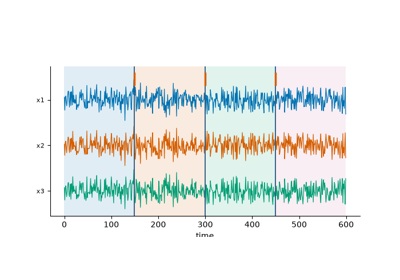
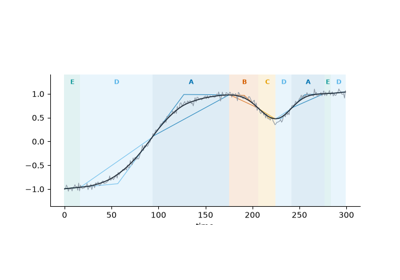
First steps: segment, look, evaluate

First steps: segment, look, evaluate

Representations: PAA, PLA, SAX, episodes

Representations: PAA, PLA, SAX, episodes

PCA models: T², Q and similarity factors

PCA models: T², Q and similarity factors

Cost-based segmentation: costs, search strategies, number of segments#
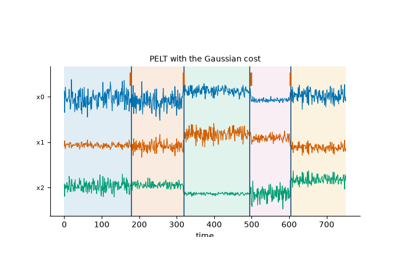
Costs and search strategies

Costs and search strategies

The merge hierarchy: segmentogram and persistence

The merge hierarchy: segmentogram and persistence

How many segments?

How many segments?

Latent-variable segmentation: PCA, dynamic PCA, recursive PCA, fuzzy and Fisher segmentation#
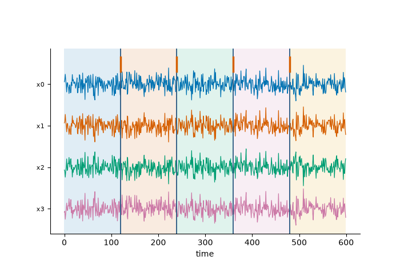
PCA segmentation with the T² and Q statistics

PCA segmentation with the T² and Q statistics

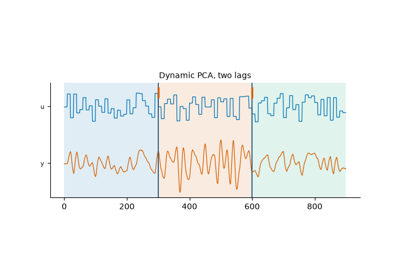
Dynamic PCA segmentation

Dynamic PCA segmentation

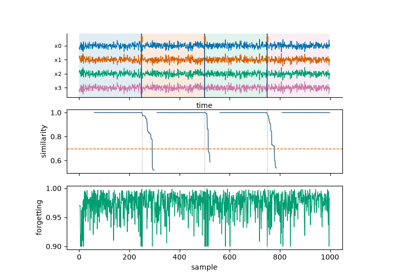
On-line segmentation with recursive PCA

On-line segmentation with recursive PCA

Fuzzy segmentation with the modified Gath–Geva algorithm
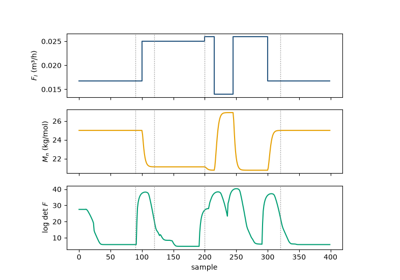
Fuzzy segmentation with the modified Gath--Geva algorithm

Informative segments for parameter estimation (MMA polymerization)
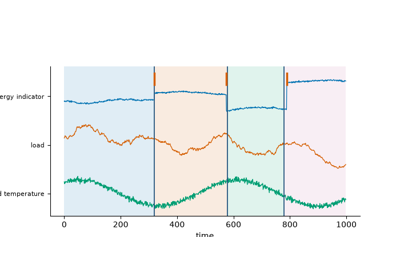
Informative segments for parameter estimation (MMA polymerization)

Operating ranges of an energy indicator

Operating ranges of an energy indicator

Probabilistic, profile-based and state-based segmentation#
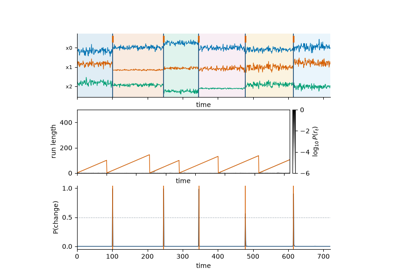
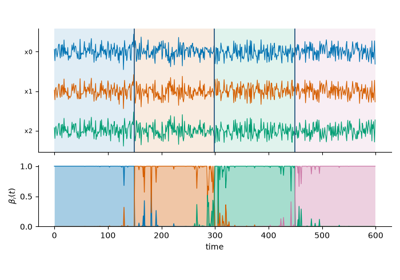
Bayesian on-line change point detection

Bayesian on-line change point detection

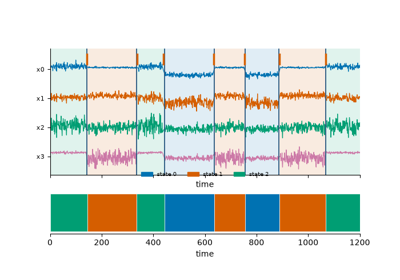
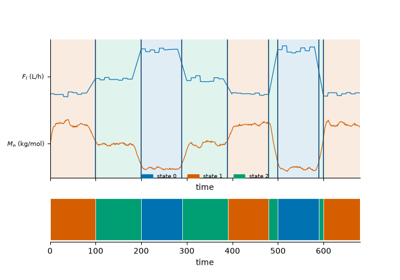
Recurring operating states

Recurring operating states

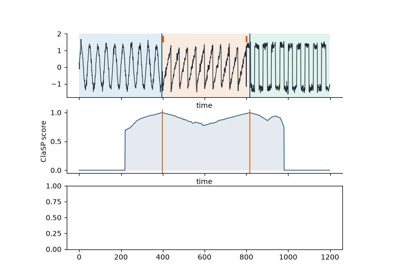
Shape changes: ClaSP and FLUSS

Shape changes: ClaSP and FLUSS

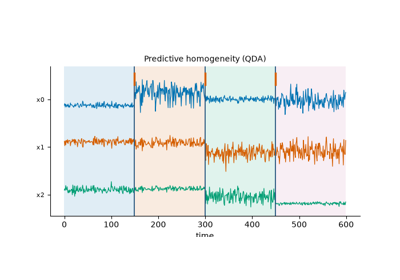
Predictive homogeneity with any scikit-learn model
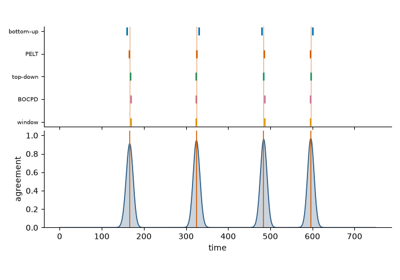
Predictive homogeneity with any scikit-learn model
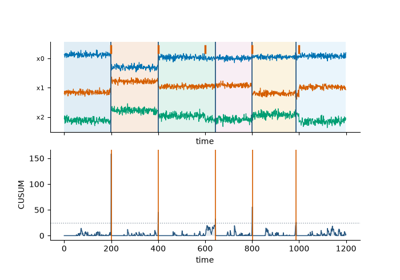
Consensus of segmentations

Consensus of segmentations

Segmentation of a data stream

Segmentation of a data stream

Elastic similarity: DTW and its relatives#
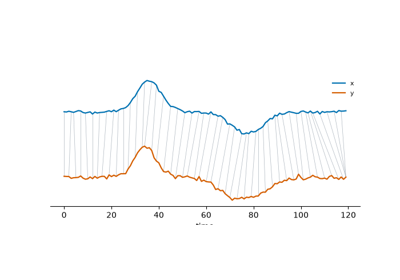
Dynamic time warping and global constraints

Dynamic time warping and global constraints

A family of elastic measures on Cylinder–Bell–Funnel
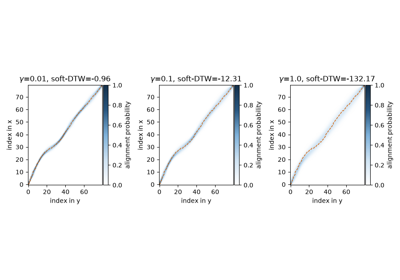
A family of elastic measures on Cylinder--Bell--Funnel

Soft-DTW: a differentiable alignment and its uncertainty
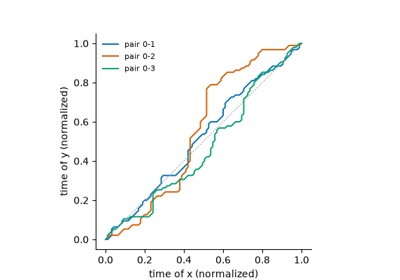
Soft-DTW: a differentiable alignment and its uncertainty

Diagnosing and tuning warping

Diagnosing and tuning warping

Correlation-based and segment-level warping#
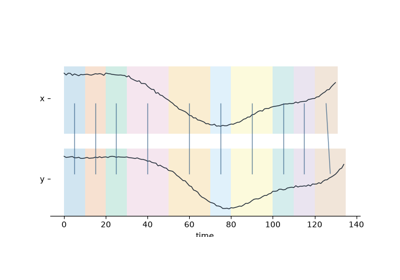
Correlation-based dynamic time warping

Correlation-based dynamic time warping

When the information is in the correlation structure
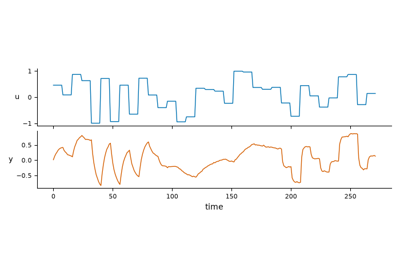
When the information is in the correlation structure
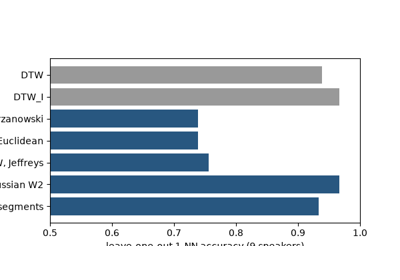
Process-dynamics-aware warping: DPCA-CBDTW

Process-dynamics-aware warping: DPCA-CBDTW

Real data: Japanese vowels and Riemannian local distances
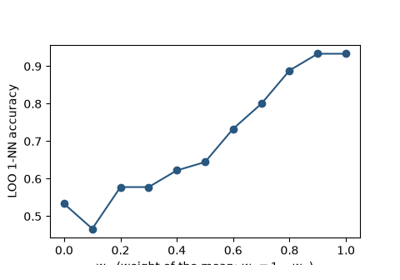
Real data: Japanese vowels and Riemannian local distances
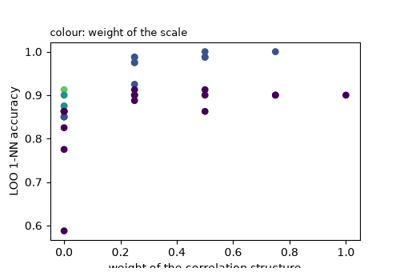
Piecewise linear warping: MPLA, SPLA and MDPLA

Piecewise linear warping: MPLA, SPLA and MDPLA

A multivariate mixed segment distance

A multivariate mixed segment distance

Comparing qualitative trends: episode alignment

Comparing qualitative trends: episode alignment

Clustering time series, segments and trajectories#
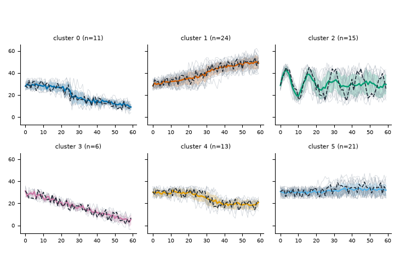
Partitional clustering: k-means, k-Shape, k-medoids
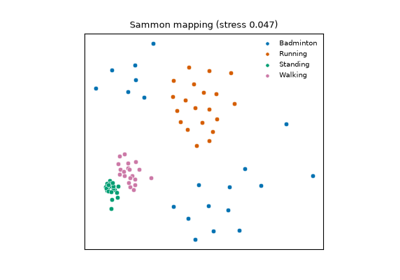
Partitional clustering: k-means, k-Shape, k-medoids
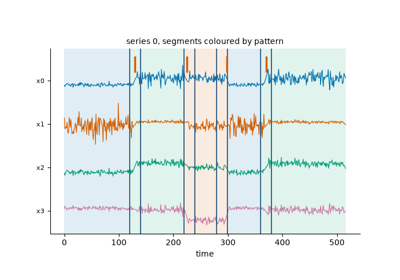
Hierarchical clustering and distance maps

Hierarchical clustering and distance maps

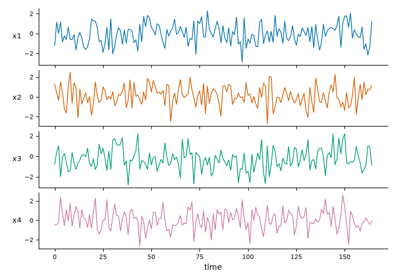
Clustering multivariate recordings: BasicMotions

Clustering multivariate recordings: BasicMotions

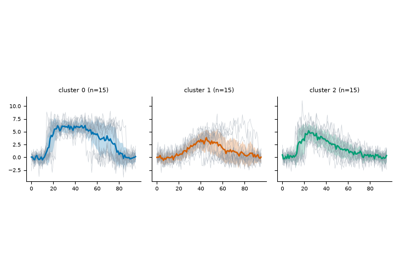
Clustering segments: recurring patterns across series
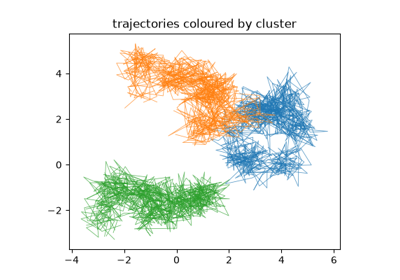
Clustering segments: recurring patterns across series
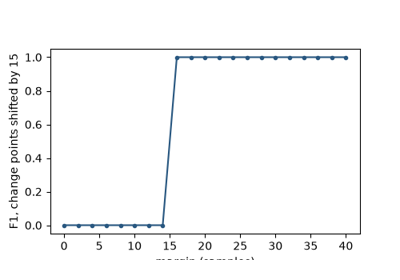
Objects that move together: trajectory clustering

Objects that move together: trajectory clustering

Evaluation, validation and benchmarking#

Measuring segmentation quality

Measuring segmentation quality

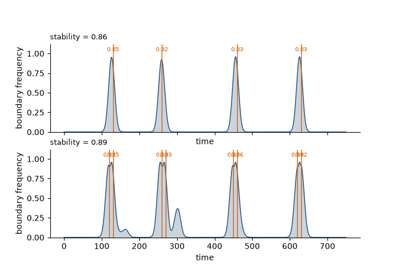
Is the segmentation stable?

Is the segmentation stable?

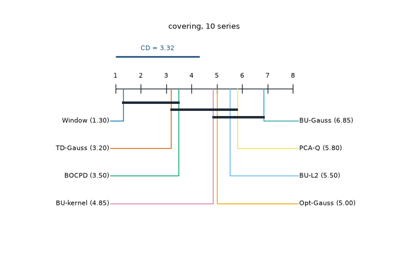
Benchmarking segmenters with statistical tests

Benchmarking segmenters with statistical tests

Tuning segmenter parameters

Tuning segmenter parameters

Visualization and interpretation#

A one-page segmentation report

A one-page segmentation report

Six-sigma visibility graphs

Six-sigma visibility graphs

Series as images and networks

Series as images and networks

Looking inside alignments and collections

Looking inside alignments and collections

Reproducible analyses and model operations#

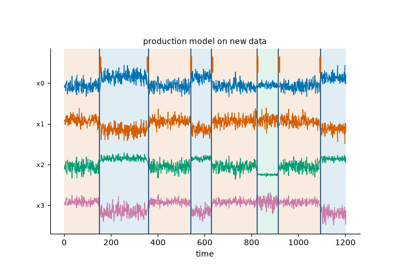
From analysis to a deployable model

From analysis to a deployable model

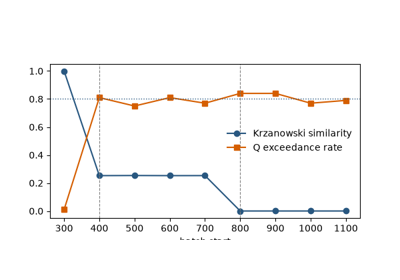
Monitoring a deployed model for drift

Monitoring a deployed model for drift

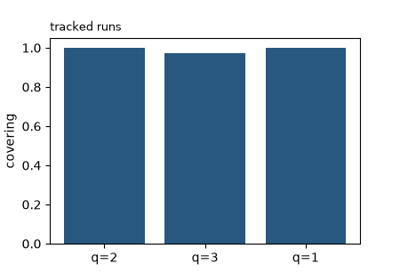
Experiment tracking and model cards

Experiment tracking and model cards

Case studies#

Grade transitions of a polymerization reactor

Grade transitions of a polymerization reactor

Operating regions of a pH neutralization process

Operating regions of a pH neutralization process

Explaining operating regimes

Explaining operating regimes

Download all examples in Python source code: auto_examples_python.zip

Download all examples in Jupyter notebooks: auto_examples_jupyter.zip

Gallery generated by Sphinx-Gallery

previous

Installation

next

First steps: series, segmentations, representations, PCA models

On this page
  • First steps: series, segmentations, representations, PCA models
  • Cost-based segmentation: costs, search strategies, number of segments
  • Latent-variable segmentation: PCA, dynamic PCA, recursive PCA, fuzzy and Fisher segmentation
  • Probabilistic, profile-based and state-based segmentation
  • Elastic similarity: DTW and its relatives
  • Correlation-based and segment-level warping
  • Clustering time series, segments and trajectories
  • Evaluation, validation and benchmarking
  • Visualization and interpretation
  • Reproducible analyses and model operations
  • Case studies
Show Source

© Copyright 2026, János Abonyi.

Created using Sphinx 9.1.1.